Garage Cleaning Scope: Prepare a Clear Brief Before the Visit
Posted on: 2026-10-13
By: Catherine W. Devereux
A garage cleaning scope explains which areas you want cleaned, what will remain in place and which jobs need a separate arrangement. Write it before the appointment so the provider can assess the request against the garage as it actually stands. A clear brief begins with accessible surfaces and realistic expectations.
The word 'cleanout' can hide several different tasks. Deciding what to keep, arranging collection and cleaning the exposed floor are related, but they are not automatically included in one service. Separate those tasks in the enquiry and ask the provider to confirm what they can undertake.
If an unused motorcycle is leaving before the clean, an enquiry about cash for motorbikes belongs in the preparation schedule. Confirm the collection arrangements directly rather than assuming the cleaning team will move the vehicle. Keep the brief accurate if the motorcycle is still present on the planned cleaning day.
Describe the surfaces you want included
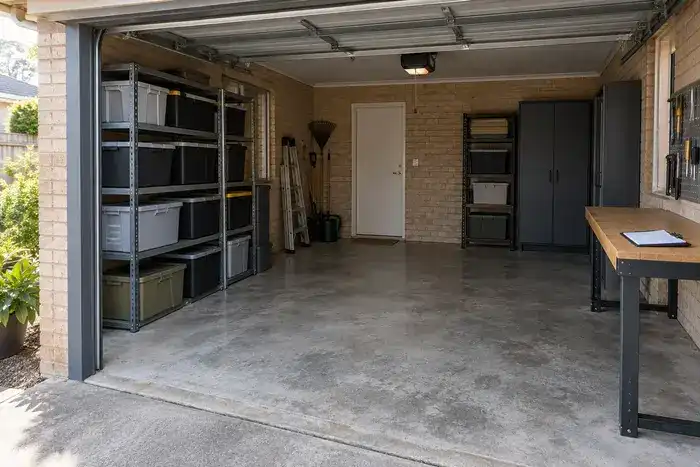
Start with a plain description of the garage. Note the floor areas, work surfaces and storage units relevant to the request. Distinguish an empty shelf from a shelf holding tools, and a visible floor from an area currently covered by boxes. These are different starting conditions for an assessment.
Name the priority in practical terms. You might want the accessible floor and the cleared workbench addressed, while leaving the contents of closed cabinets untouched. 'Clean everything' can sound comprehensive without telling anyone where the work begins or ends.
Describe the present condition without diagnosing it. If there are marks, damaged finishes or an area you cannot identify, record what you can see and ask about it. A written enquiry should not promise that a particular treatment will be appropriate or that every mark can be removed.
Include exclusions alongside the priorities. Equipment, stored belongings and areas awaiting another service should be recognisable in the brief. This gives the provider a chance to ask questions before arriving and gives you a clearer basis for reviewing the eventual scope.
Separate cleaning, removal and restoration
Ask which of these activities the provider is actually quoting for. A cleaning visit may have a different scope from a removal service, and neither should be assumed to include repairs. The distinction matters when the garage contains bulky belongings or surfaces with existing damage.
The AD Spotless preparation guide includes separate discussion of access, delicate surfaces and cleaning versus restoration. Those are useful questions to bring to your own provider. Its service inclusions describe that company, so confirm the arrangements for your garage rather than treating them as a universal rule.
If you want cabinet interiors included, say so explicitly and describe whether they are empty. If they will remain full, ask what can be assessed or cleaned in that condition. Avoid promising to clear them later unless you have a workable plan for doing so.
Record any work that must happen first. A vehicle collection, a separate removal or a repair assessment can change what is accessible. Give each activity its own owner and status so the cleaning appointment does not depend on a task everyone assumes somebody else has completed.
Confirm the collection dependency
A proposed collection date is not the same as a completed collection. Keep that distinction visible when discussing the cleaning visit. If a vehicle is expected to leave first, explain the dependency and ask what the provider needs to know if the arrangement changes.
Do not book competing activities into the same space without checking how they will fit. The collection provider may need access to an area you expected the cleaners to use. Each provider should confirm their own requirements; an editorial checklist cannot establish the right working arrangement for a particular site.
After the vehicle has left, review the garage again. The exposed area may differ from what you anticipated, and you may be able to describe the cleaning request more accurately. Send an update where it changes the agreed scope rather than assuming that more visible floor means more work is automatically included.
If collection is delayed, advise the cleaning provider before the visit. Ask whether the accessible areas can still be addressed or whether another arrangement is required. Keep the answer with the booking details so the household is not relying on an informal assumption.
Make belongings decisions before handing over
Agree which belongings remain, which are awaiting removal and which need a household decision. The cleaning team should not have to infer that a box beside an empty shelf is unwanted. A clear distinction also helps the household avoid returning items to an area that was meant to be available.
The We Clean Out Garages preparation checklist separates belongings into keep, remove and review groups. You can use that simple distinction as a discussion aid without adopting the company's removal arrangements. For a cleaning enquiry, explain which groups will still be present during the visit.
Do not move an item simply to make a photograph look ready. If you cannot appropriately relocate something, tell the provider about the obstruction and ask what is required. A truthful account of the garage is more useful than a staged image that conceals the actual conditions.
Keep private paperwork and small personal belongings out of the assessment images where possible. The provider needs relevant information about the requested work, not a detailed record of the household's documents. Review photographs before sharing them through the provider's agreed channel.
Show current conditions with a short set of notes
A few useful photographs can support the written brief if the provider accepts them. Show the overall layout and the particular areas you are asking about. Add a short explanation of any item expected to leave before the appointment, so the current image is not mistaken for the final preparation state.
Avoid describing a photo as 'the whole garage' when it shows only one corner. Note any area that is not visible or cannot currently be accessed. The provider can then say whether another assessment is needed rather than drawing conclusions from an incomplete view.
Date the notes when plans are changing. If you later send another photograph, explain what has changed since the earlier one. An updated picture without context can leave two different versions of the job circulating between the booking team and the person attending.
Our guide to booking cleaning services offers broader context on provider communication. For this appointment, keep the request specific enough that both sides can identify the included areas and the questions still awaiting an answer.
Ask product questions without prescribing a treatment
Tell the provider what you know about the surfaces and finishes. If you have relevant manufacturer information, ask how it affects their proposed approach. If you do not know the finish, say so. A confident guess can be less useful than an honest question.
Our comparison of sustainable and traditional cleaning products provides background for discussing product selection. For a particular garage, ask the provider about suitability and the information they require. A broad label does not establish that a product suits every surface or condition.
Keep this enquiry separate from choosing a do-it-yourself method. Do not mix products or begin treating an unidentified area based on a general article. Where a condition may require assessment beyond routine cleaning, describe the concern to an appropriately qualified provider and resolve the scope before work begins.
Ask what the provider expects the household to supply or prepare, if anything. Record the answer rather than borrowing a checklist from another company's service. The useful outcome is an agreed preparation list for this visit, not a cupboard of products purchased on assumption.
Agree access and changes privately
Confirm who will be available to discuss the scope at the property. If the household will not be present, agree the entry arrangement directly with the provider through an appropriate private channel. Keep access codes and other private details out of public notes and photographs.
Explain any shared access or other activity that could affect the appointment. The provider can then clarify what they require. Do not assume that an ordinary household route is necessarily suitable for the equipment or working arrangement they intend to use.
Ask how changes will be handled. If another cabinet is added to the request or an area remains occupied, confirm the revised inclusion before treating it as part of the booking. Keep any agreed change together with the original scope so there is one understandable account of the job.
Our article on comparing commercial cleaning services offers further reading for a wider provider review. Even for a modest garage visit, comparing the included tasks is more informative than comparing broad service names alone.
A fictional garage cleaning brief
Imagine a household preparing a garage after arranging to sell an unused motorcycle. They want the accessible floor and an empty workbench included. Closed tool cabinets will remain untouched, and several storage tubs are staying on the shelves.
Their first enquiry says only 'garage clean after bike pickup'. They revise it to describe the areas, the retained belongings and the pending collection. The cleaning provider asks for an update once collection is complete. The household keeps the two appointments separate until each provider has confirmed its requirements.
After the motorcycle leaves, they send a current photograph and identify an exposed mark they had not previously seen. They ask whether it affects the proposed work rather than demanding that it be removed. The resulting brief is clearer about both the intended cleaning and the questions still open.
This fictional example does not describe a customer result, price or guaranteed outcome. It shows how an ordinary enquiry can become more useful through accurate details and explicit boundaries.
Keep a short record after the visit
Review the work against the agreed inclusions and note any follow-up questions for the provider. Separate an unfinished task from a surface condition that was excluded or discussed beforehand. If another visit is considered, use those notes to define what would be different next time.
A useful garage cleaning scope is a shared description of the job, not a promise that every problem has one solution. Confirm what is accessible, keep collection and cleaning responsibilities clear and update the brief when circumstances change. The visit becomes easier to discuss when the space, the belongings and the expected work are described honestly.
 A garage cleaning scope explains which areas you want cleaned, what will remain in place and which j
 Planning residential or commercial property maintenance is usually driven by budget, timelines, fini
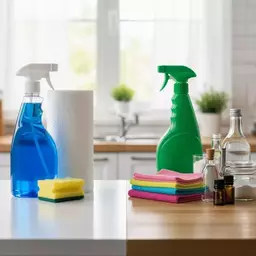 What if your cleaning routine could contribute to a healthier planet? By understanding the differenc